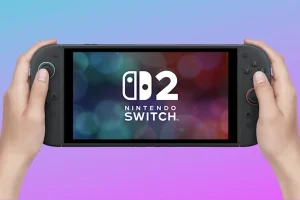
Nintendo’s long-awaited next-gen console lands this Thursday — and it’s packing serious upgrades, new features, and a price tag to match.
After what feels like a lifetime of rumours, leaks, and speculation, Nintendo is finally rolling out the Switch 2 — and yes, it’s real, it’s powerful, and it’s landing this week. Like its predecessor, it’s a hybrid console you can dock at home or take on the go. But unlike the 2017 original, this isn’t just a minor upgrade. With a $700 price tag, Nintendo’s making a play for more hardcore territory — and they’ve brought a load of tech to back it up.
We only got limited time to mess with it — Nintendo gave us two days under tightly controlled conditions — but that, combined with everything they’ve officially released, gives us a solid picture of what this thing can do. Here’s your full breakdown of the Nintendo Switch 2 — no hype, no waffle, just the good stuff.
The Short Version: Yes, It’s a Big Upgrade
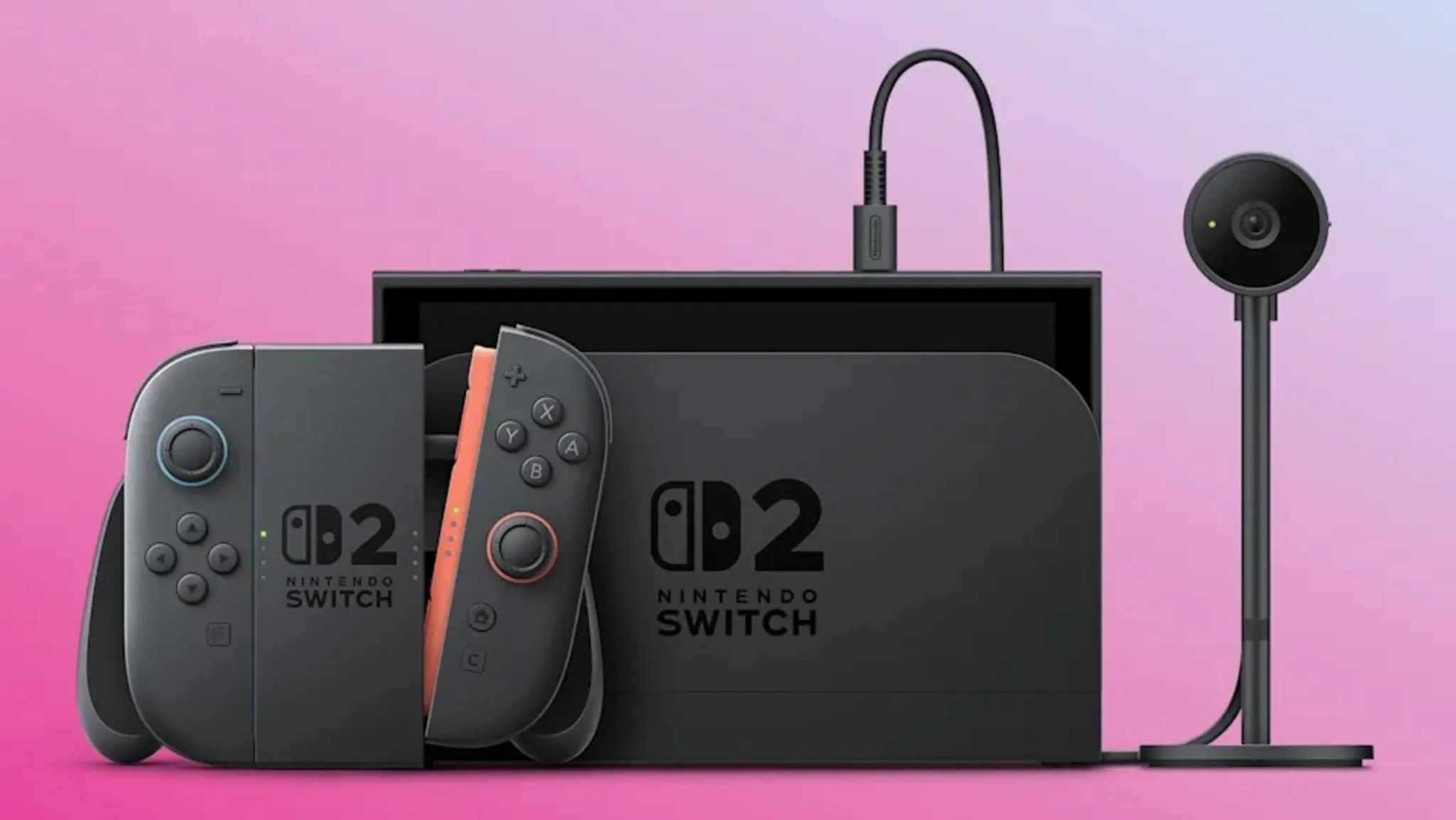
The Switch 2 is way more powerful, completely redesigned, and adds a bunch of long-overdue features. It even supports an optional camera (more on that later).
From top to bottom, it’s a much more modern device. You’re looking at:
-
A significantly sharper, faster display
-
Better build quality and form factor tweaks
-
Dramatically improved performance
-
Smarter, more flexible controllers
-
A native chat system for voice and screen sharing
-
More storage, more RAM, and modern game-sharing features
Nintendo might be late to the party with some of these upgrades, but they’ve clearly taken notes — and the result is a console that feels like it’s finally caught up with where handheld gaming has been heading.
What’s Actually Better?
Let’s break it down. The original Switch dropped in 2017, and tech has moved a lot since then. So Nintendo went back to the drawing board.
The form factor is familiar, but it’s definitely evolved: the Switch 2 is slightly larger but still thin, with an upgraded kickstand and a second USB-C port on top, which is super handy when the system is standing up.
Now let’s talk screen, because it’s the first thing you’ll notice. The new 7.9-inch LCD display runs at 1080p, supports HDR, has variable refresh rates up to 120Hz, and it’s just plain gorgeous. Compared to the original’s 6.2-inch, 720p, 60Hz panel, it’s a massive visual upgrade — and it holds its own against high-end handheld PCs.
Dock it, and the Switch 2 outputs up to 4K resolution at 60Hz, or 120Hz at 1080p or 1440p. It’s a beast for TV gaming too.
That’s all powered by a custom Nvidia chip, said to be 10 times more powerful than the original Switch’s CPU/GPU. Add in triple the RAM and eight times the storage, and it’s safe to say the Switch 2 has the raw horsepower to finally run modern games without gasping for breath.
Finally — and we mean finally — Nintendo is adding native chat to the Switch ecosystem. The built-in GameChat system lets you voice call friends, share your screen, or stream gameplay to others — whether they’re playing the same game or not.
And if you’ve picked up the new Switch 2 Camera (a separate accessory), you can even include video of yourself while you play. It’s like Discord-lite, but built into the console.
GameChat is activated by a new “C” button on the controller, and it’s surprisingly flexible. You can use it to chat in the middle of games, hang out while watching friends play, or host little co-op sessions via a feature called GameShare, which lets others join your session — even if they don’t own the game.
The Joy-Con 2 Are a Legit Upgrade
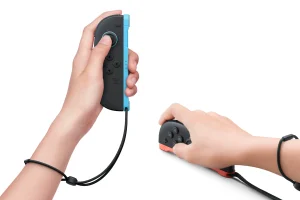
Let’s be honest: the original Joy-Con had issues. From stick drift to awkward ergonomics, they were charming but flawed. The new Joy-Con 2 fix a lot of that.
They’re:
-
Bigger, with larger buttons and triggers
-
Magnetically attached (no more annoying rails)
-
Able to be used individually or together, just like the originals
But here’s the cool part: each one now has a sensor on the inside edge that turns it into a mini mouse. Place it on a flat surface (like a desk or your lap), and you can move it around like a pointer. It works on the menu, on the home screen, and in some games. Weirdly useful, and surprisingly precise.
Vibration has also gotten an upgrade — there’s now more advanced textured rumble, which adds subtle sensations beyond the standard buzz. It’s not just HD Rumble 2.0 — it’s way more immersive.
Nintendo also promises that stick drift is no longer a problem, thanks to redesigned internals. We’ll see.
What Games Can You Play?
This is where it gets interesting — because the Switch 2 supports a massive range of titles from day one.
There are three main types of games:
-
Original Switch games — Cartridges and digital titles from your Switch library will mostly work on Switch 2. Nintendo says only a small handful aren’t compatible.
-
Switch 2-native games — New games built from the ground up to run on Switch 2. These can be far more technically ambitious — like Cyberpunk 2077, which wasn’t even possible on the original hardware.
-
Switch 2 Editions — Enhanced versions of existing games that take advantage of the new hardware. You’ll pay an upgrade fee (usually $20–$30) if you already own the original.
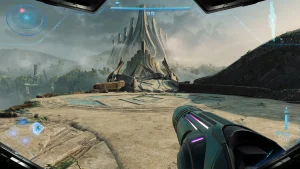
For example, Metroid Prime 4 launches this year on both systems, but only the Switch 2 version supports 4K or 120Hz. If you don’t upgrade your hardware now, you can play it on the OG Switch and upgrade the game later.
Launch Line-Up: What Can You Actually Play?
Two major titles will be available day one:
-
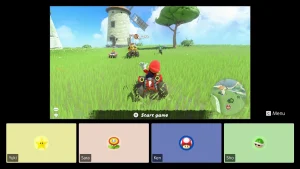
Mario Kart World — Think of this as Mario Kart 8 Deluxe, completely reimagined. Open-world exploration, seamless transitions between races, new characters (yes, you can race as a Goomba), and virtual hangout features. There’s even a Knockout mode. Easily Nintendo’s most ambitious Mario Kart yet.
-
Nintendo Switch 2: Welcome Tour — Half behind-the-scenes museum, half interactive tutorial. It’s a cool intro to the console’s features, but it’s not included with the system. As a paid extra, it’s a bit of a hard sell.
Other launch titles include:
-
Arcade Archives 2: Ridge Racer
-
Bravely Default HD Remaster
-
Cyberpunk 2077
-
Deltarune Chapters 1–4
-
Fast Fusion
-
Fortnite
-
Hitman: World of Assassination
-
Hogwarts Legacy
-
Kunitsu-Gami: Path of the Goddess
-
The Legend of Zelda: Breath of the Wild (Switch 2 Edition)
-
Tears of the Kingdom (Switch 2 Edition)
-
Street Fighter 6
-
Sonic x Shadow Generations
-
Yakuza 0
-
…and plenty more
Physical Games Are Still a Thing (But a Bit Weirder)
Yes, you can still buy boxed games — but there are now three types of physical releases:
-
Full cartridge games — Classic plug-and-play.
-
Box with a download code — No cart, just a printed code you redeem online.
-
Game-Key Cards — A special cartridge that doesn’t contain the game, but still needs to be inserted to play it after a download.
You’ll find clear labels on the lower-right corner of the box to help you figure out which version you’re getting.
Game Prices: Welcome to the $120 Club
Nintendo’s ditching the fixed-price model. Instead, they’re going all-in on variable pricing:
-
Top-tier Nintendo games like Mario Kart World are priced at $120
-
Others, like the upcoming Donkey Kong Bananza, land around $110
-
Some third-party titles go as low as $60 or as high as $130
Upgrade fees for Switch 2 Editions are generally $20–$30, so if you already own the original version (or can find it cheap), upgrading can save you cash.
Do Older Games Run Better?
Short answer: yes, but results vary.
Thanks to the Switch 2’s much-improved hardware, you’ll see faster load times, smoother framerates, and fewer slowdowns in many games — even without any updates.
But the biggest improvements — like 4K visuals, HDR, and GameChat integration — depend on whether the developers push out patches or full-blown Switch 2 Editions.
Nintendo says at least 12 of its own games will get free performance upgrades. Others, like Sonic x Shadow Generations, will require a full repurchase if you want the enhanced version.
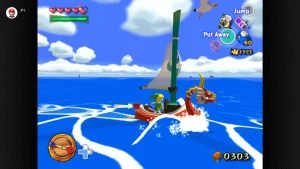
Also cool: the Switch 2 has improved emulators for retro titles. The N64 app now includes a rewind feature, and there’s a GameCube app (with Wind Waker and F-Zero GX) exclusive to Switch 2.
Online Play & Subscriptions: Mostly Unchanged
If you played online on the original Switch, you’ll feel right at home here. The Nintendo Switch Online subscription system is the same:
-
$30/year for individuals
-
$55/year for families (up to eight people)
-
Expansion Pack tier costs double, and adds DLC + more retro games
Perks include online play, cloud saves, the retro library, smartphone apps, and access to things like Tetris 99 and Nintendo Music.
Parental Controls Still Run Through the App
If you’re buying this for your kids (or just like to keep tabs), the parental control setup is still handled via Nintendo’s smartphone app.
You can:
-
Set time limits
-
Track what’s being played
-
Block games by age rating
-
Control GameChat access
-
Set rules for different accounts
Each kid gets their own Nintendo ID, which links to your account for full oversight.
What Comes in the Box? And What Doesn’t?
Here’s what you get out of the box:
-
Nintendo Switch 2 console
-
Two Joy-Con 2 controllers with straps
-
Grip for TV play
-
Dock
-
HDMI cable
-
Power supply
And here’s what you can buy separately:
-
Pro Controller – $120
-
Charging Grip – $50
-
Extra Joy-Con 2 pair – $140
-
Switch 2 Camera – $70
-
Joy-Con wheels – $30
-
Extra dock – $170
-
Travel case + screen protector – $40
-
All-in-one carry case – $110
Naturally, third-party accessories will explode soon after launch.
Will My Old Stuff Still Work?
Mostly, yes.
-
Your original Joy-Con and Pro Controllers still connect, but support for new games may be limited.
-
Most USB accessories will continue to work — for now.
-
The old dock doesn’t fit. The Switch 2 is physically larger.
-
microSD cards from the original Switch? No go. The new system only accepts microSD Express, which is faster but more expensive.
Final Word
The Switch 2 is Nintendo finally growing up. It’s modern, powerful, and full of thoughtful touches — and for hardcore fans or everyday players who want the best experience, it’s a tempting leap forward.
Is it expensive? Yes. Is it worth it? If you’re playing regularly, absolutely. It’s not just a nice-to-have — it’s the future of handheld gaming, and it’s finally caught up to 2025.